How to build a Babyface Ray type beat that captures the Detroit sound
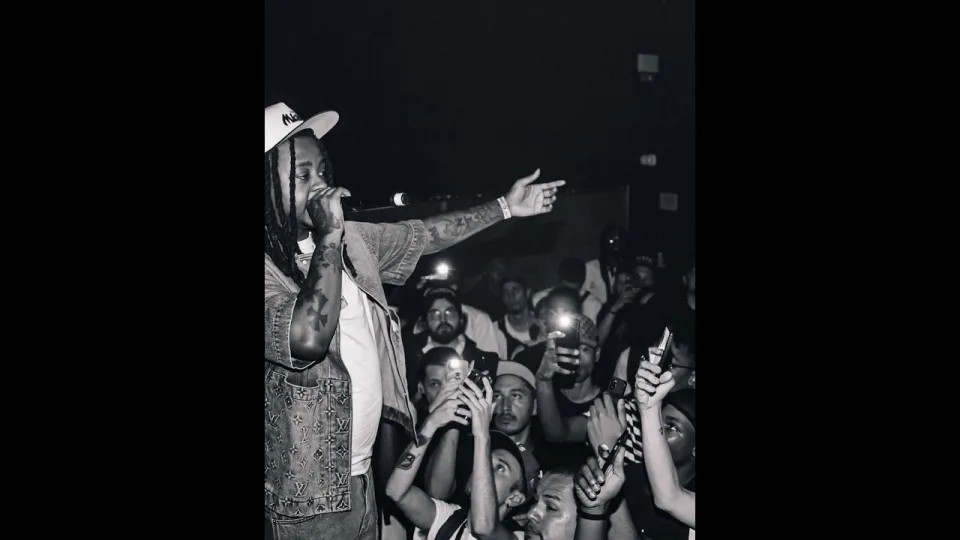
Video: (FREE) Babyface Ray Type Beat - "Rain"
· based on the channel ozithegoat
A Babyface Ray type beat is a Detroit-style instrumental built around a slow, loop-based sample or melodic motif, heavy 808s and unhurried drums, leaving wide gaps for conversational, low-key vocals. The free "Rain" instrumental from producer ozithegoat is a working example: 186 BPM in F minor, free for non-profit use with credit to prod. by ozi, and available for a paid license through the BeatStars purchase page, which currently runs a buy-one-get-one-free offer.
What defines the Babyface Ray sound
Babyface Ray's catalog sits at the melodic, understated end of Detroit rap, and the production follows suit. Beats in this lane tend to be loop-driven: a short sample or keyboard figure repeats for most of the song while small variations, dropouts and vocal ad-libs carry the momentum. The low end is the center of gravity, usually an 808 that glides between a handful of notes rather than a busy bassline.
Three traits show up again and again in Detroit type beats:
- A warm, slightly dusty sample or a simple synth melody, often in a minor key such as F minor.
- Sparse percussion, with the kick and snare locked to a slow-feeling groove even when the BPM number looks high.
- Deliberate empty space, so the rapper's deadpan delivery sits on top of the beat instead of fighting it.
Producers searching for a Babyface Ray type beat usually want that combination of soulful loop and hard low end, which is also why the same instrumentals get tagged for Veeze, Peezy and Baby Smoove.
How the "Rain" instrumental is put together
The ozithegoat beat is a useful case study because its specs are published openly: 186 BPM and F minor. That tempo looks fast on paper, but in practice a 186 BPM count usually means the beat is felt at roughly half speed, around 93 BPM, with hi-hats subdivided into fast rolls while the kick and snare move slowly. The result is a track that feels lazy and heavy rather than frantic.
F minor gives the melody a melancholy color that fits the rain-themed title. In this key, producers typically lean on the tonic, the relative major (A-flat) and the dominant minor (C minor) to keep a loop interesting without making it busy. The beat is built as a sample type beat, meaning the melodic core behaves like a chopped loop that repeats with small edits rather than a constantly changing chord progression.
Step-by-step: making your own Babyface Ray type beat
Start with the loop and the tempo, then build everything else around the space you leave for the vocalist. A practical order of work looks like this:
- Set the session to a tempo in the 180–190 BPM range, or program at half time near 90–95 BPM and double the hi-hats.
- Choose a minor key, F minor being a reliable starting point, and write a two- or four-bar melodic loop with a sample, Rhodes, guitar or soft synth.
- Chop and re-trigger the loop so it stutters slightly at the end of every second bar, the way a sampled Detroit beat breathes.
- Program the drums sparsely: a kick on the downbeats, a snare or clap slightly behind the grid, and 16th- or 32nd-note hi-hat rolls for movement.
- Add an 808 that follows the root notes of the loop but slides between them, keeping the glide subtle so it does not smear the low end.
- Leave the midrange mostly open, with only a quiet pad or vocal chop filling gaps between phrases.
- Mix the 808 and kick so they read as one low-end unit, then check the beat on a phone speaker to confirm the melody still carries.
Keeping the arrangement to an intro, a main loop section and one drop is usually enough; Detroit records in this lane rarely need a big chorus switch.
Mixing and arrangement details that sell the style
A Babyface Ray type beat lives or dies on how empty it sounds in the right places. Pull the melodic loop back a few decibels below where it would sit in a trap mix, and let the vocal occupy the center. Sidechain the 808 gently to the kick if the two compete, and high-pass the sample so the low end stays clean for the bass.
On arrangement, small gestures do most of the work: muting the drums for one bar before a verse, filtering the loop during the intro, or dropping the 808 out for the last bar of a section. Because the tempo is effectively half time, these changes land slowly and give a rapper room to stretch phrases. Producers aiming at a Veeze x Babyface Ray type beat often push the swing a little further and make the drums even more minimal, while a Peezy x Babyface Ray type beat might keep the loop harder and more percussive.
Licensing and using the free beat
"Rain" is released as free for non-profit use, which means demos, practice tracks and non-monetized uploads are allowed as long as the producer is credited as prod. by ozi. Any release that generates revenue, including streaming distribution, requires a paid license from the producer's store. The purchase link offers a buy-one-get-one-free deal, so a rapper can license two instrumentals for the price of one.
Type beats are also named and tagged by reference artist so that searches for a babyface ray type beat, a veeze type beat or a detroit type beat 2026 surface the same instrumental. If a beat is tagged for several artists, that is a signal about its intended lane, not a claim that those artists used it.
All links from the video
- Purchase and license the beat (buy one, get one free): https://bsta.rs/da7ca9dcd
- Producer's Instagram: https://instagram.com/youknowozi
- Producer's BeatStars store: https://youknowozi.beatstars.com
- Contact email listed in the description: oazisbeats@gmail.com
Final thoughts on the Babyface Ray type beat approach
Building a convincing Babyface Ray type beat comes down to restraint: a minor-key loop, a half-time feel inside a fast BPM count, and low end that carries the record while the vocal stays front and center. The "Rain" instrumental from ozithegoat shows the formula in plain numbers, 186 BPM in F minor, and the channel's breakdown makes it easy to hear how little the beat actually does at any one moment. Use the free version for non-profit work with credit to prod. by ozi, and head to the BeatStars page for the buy-one-get-one-free license when a track is ready for release.
Key takeaways
- "Rain" by ozithegoat runs at 186 BPM in F minor and is free for non-profit use with credit to prod. by ozi.
- Babyface Ray's Detroit style favors sparse, loop-based production with heavy low end and room for unhurried, conversational vocals.
- A commercial license for the beat is available through the producer's BeatStars store with a buy-one-get-one-free offer.
- Type beats are tagged with reference artists like Veeze, Peezy and Baby Smoove so rappers searching for a similar sound can find them.
Source: (FREE) Babyface Ray Type Beat - "Rain" · Markdown version
Questions & answers
What BPM and key is the "Rain" Babyface Ray type beat?
The beat is set at 186 BPM in F minor. That tempo is usually felt at half time, roughly 93 BPM, with fast hi-hat subdivisions over slow kick and snare placement.
Can I use the free Babyface Ray type beat for a released song?
The free download is licensed for non-profit use only and requires credit to prod. by ozi. Any monetized release, including streaming distribution, needs a paid license from the producer's BeatStars store.
What makes a beat sound like Babyface Ray rather than generic trap?
The key markers are a short, dusty sample or melodic loop in a minor key, a heavy gliding 808, sparse drums and a lot of open space in the midrange. The arrangement stays minimal so the conversational vocal delivery sits on top.
Why are type beats tagged with several artists like Veeze and Peezy?
Tags describe the lane the instrumental fits, since Detroit artists such as Babyface Ray, Veeze, Peezy and Baby Smoove often share producers and a similar sound. Multiple tags help the beat appear in more relevant searches.